


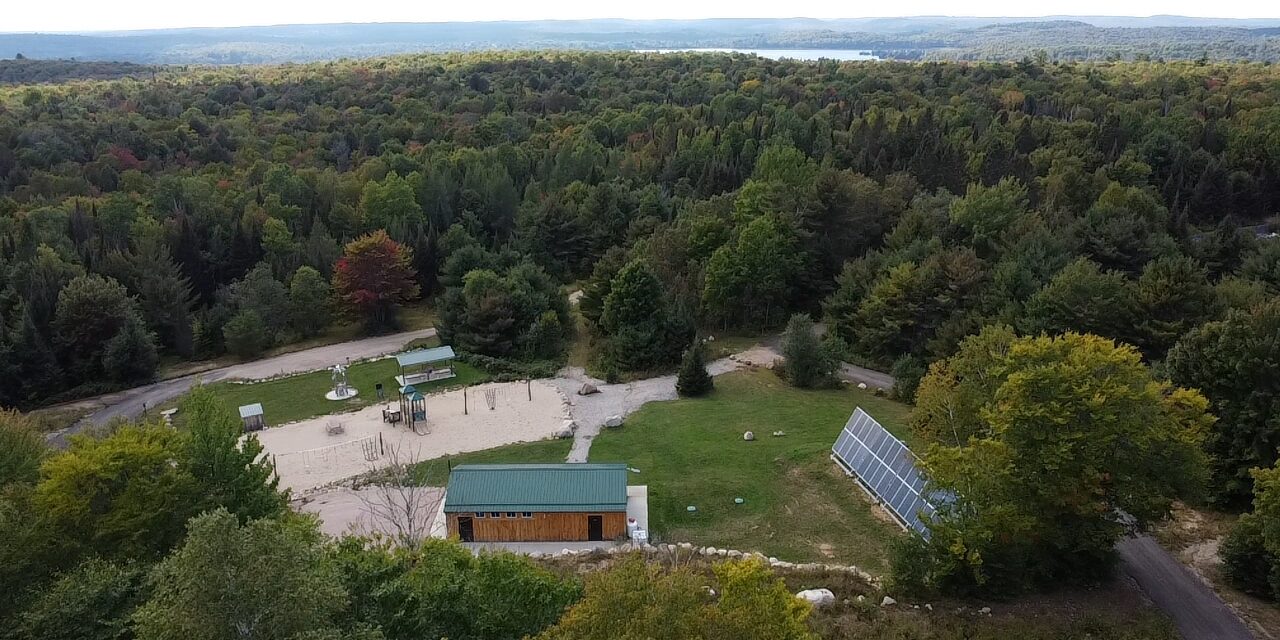
Camping off-grid is about slowing down, unplugging from everyday noise, and reconnecting with nature. But off-grid doesn’t mean no power at all. Many modern off-grid campgrounds use 12-volt (12V) solar power to provide quiet, eco-friendly electricity for essential needs.
If you’re new to solar camping, this guide will help you understand what 12V power is, what it can and can’t do, and what to consider before your off-grid stay—so you arrive prepared and relaxed.
🔋 What Is 12-Volt Solar Power?
12-volt solar power is a low-voltage electrical system powered by deep-cycle batteries that are recharged by solar panels. This type of system is commonly used in:
- Off-grid cabins
- RVs and trailers
- Boats
- Remote campsites
Instead of providing full household electricity, 12V systems are designed to support basic, low-energy needs while remaining silent, sustainable, and generator-free.
🔌 What 12V Solar Power Can Be Used For
- USB phone charging
- LED cabin or site lighting
- Small 12V fans
- Water pumps (where installed)
- Radios or Bluetooth speakers
- Charging battery packs or headlamps
These systems are intentionally designed to encourage mindful energy use, rather than running multiple appliances at once.
🚫 What 12V Solar Power Is Not Designed For
Because it’s a low-voltage system, 12V power cannot support high-draw household appliances, such as:
- Coffee makers or kettles
- Toasters or air fryers
- Microwaves
- Hair dryers or curling irons
- Electric heaters
- Standard refrigerators
- Most plug-in cooking devices
Using these items would drain the batteries quickly and can damage solar equipment.
Why Off-Grid Campgrounds Use 12V Solar Systems 🌿
Solar-powered 12V systems are used intentionally in off-grid campgrounds because they:
🔇 Eliminate generator noise
🌱 Reduce environmental impact
🔋 Encourage energy awareness
🌌 Preserve peaceful, dark-sky evenings
🔥 Keep the camping experience simple and nostalgic
Instead of buzzing electronics, you hear birds, wind in the trees, and crackling campfires.
🏕️ What to Consider When Camping Off-Grid
1. Power Is Limited (By Design)
Off-grid solar power depends on sunlight and battery storage. Cloudy days, heavy use, or overnight charging can reduce available power.
Tip: Charge devices during daylight hours when solar panels are actively replenishing the batteries.
2. Bring the Right Gear
To stay comfortable, consider packing:
- USB charging cables and blocks
- Headlamps or LED lanterns
- Battery banks for phones
- Propane stove or BBQ for cooking
- Cooler with ice or a 12V plug (if allowed)
This ensures you’re not relying on electricity for everything.
3. Think “Camp Smart,” Not “Camp Plugged-In”
Off-grid camping works best when you shift your mindset:
- Fewer screens, more stars
- Fewer appliances, more campfires
- Less noise, more nature
That’s not a drawback—it’s the whole point.
4. Ask Questions Before You Arrive
Every off-grid campground is slightly different. Always check:
- Is the power 12V or 110/120V?
- Are USB ports provided, or do I need adapters?
- Are generators allowed?
- Are fires permitted?
Knowing this ahead of time avoids surprises and makes your stay more enjoyable.
🌌 Why Many Campers End Up Loving 12V Camping
Guests often arrive worried about limited power—and leave saying it was the most relaxing trip they’ve had in years.
Without constant charging, notifications, or appliances, days slow down. Meals take longer. Conversations go deeper. Nights get darker—and the stars get brighter.
🌲 Final Thoughts: Off-Grid Doesn’t Mean Uncomfortable
12-volt solar power gives you just enough electricity to stay comfortable while still honoring the off-grid experience. With a little preparation and the right expectations, it becomes part of the magic—not a limitation.
If you’re ready to disconnect from chaos and reconnect with nature, 12V solar camping might be exactly what you didn’t know you needed.